Posted on 8/28/2026

MINI Cooper models combine compact dimensions, responsive handling, and distinctive engineering, but they also have several recurring service concerns. The exact problems vary by generation, engine, transmission, and maintenance history, so a symptom associated with one MINI should never be applied automatically to every model. Many expensive repairs begin with smaller warning signs such as a coolant odor, brief startup rattle, oil residue, rough idle, or new vibration. Addressing those changes early gives technicians a better opportunity to repair the affected system before heat, low fluid levels, or continued wear damages related components. 1. Cooling System Leaks And Overheating MINI cooling systems operate under pressure and use several plastic housings, hose connections, seals, and electronically controlled components. Repeated heating and cooling cycles can weaken these materials, allowing coolant to escape from the thermostat housing, expansion tank, water p ... read more
Posted on 7/31/2026

Some cars are known mostly by their badge. The MINI Cooper is known by its shape as well. Even people who do not follow cars can usually spot one in traffic. The short body, upright stance, round headlights, contrasting roof, and playful proportions make it stand out in a parking lot full of vehicles that often look alike. That kind of recognition does not happen by accident. The MINI Cooper became famous because it solved a practical problem, proved itself in motorsport, developed a strong personality, and kept enough of its original identity through decades of change. It is small, but its place in car culture is anything but small. A Small Car Built For A Real Need The original Mini was created during a time when small, fuel-efficient cars made practical sense. Drivers needed something affordable, easy to park, and efficient, but still useful enough for daily life. The car’s compact size was not only a styling choice. It was part of the engineering goal. By ... read more
Posted on 6/26/2026
%20copy.jpg)
An overheating engine can make drivers nervous fast, but the real concern is what happens if the heat keeps building. A car can run hot once because of a low coolant level, a stuck thermostat, a weak radiator fan, or a leaking hose. Catching that early can keep the repair focused on the cooling system. Head gasket failure is different. Once overheating affects the seal between the engine block and cylinder head, the repair moves into more serious territory. At that point, the engine is no longer just losing coolant or running warm. It may be mixing pressure, coolant, oil, and combustion gases in ways that can damage the engine from the inside. Why The Head Gasket Is So Important The head gasket seals the space between the engine block and cylinder head. It has to hold compression inside the cylinders while keeping coolant and oil in their own passages. That is a difficult job because the gasket lives between intense heat, pressure, and constant expansion as the engi ... read more
Posted on 5/29/2026

Audi SUVs are built to feel refined, capable, and confident in daily driving. That can make problems harder to spot at first because the vehicle may still feel comfortable even when something has started to wear. A small warning light, a faint noise, or a slight change in performance can seem easy to put off. The trouble is that Audi SUV repairs can become more involved when early symptoms are ignored. Knowing which problems tend to occur helps you respond before a single issue starts affecting multiple systems. 1. Oil Leaks Around Gaskets And Seals Oil leaks are common on many higher-mileage Audi SUVs. Valve cover gaskets, timing covers, oil filter housings, and other seals can begin to seep as heat and age take their toll. Drivers might notice a burning oil smell after driving, light smoke from the engine bay, or oil residue during service. Small leaks should not be dismissed just because the oil level still looks acceptable. Oil can spread onto nearby components ... read more
Posted on 4/30/2026
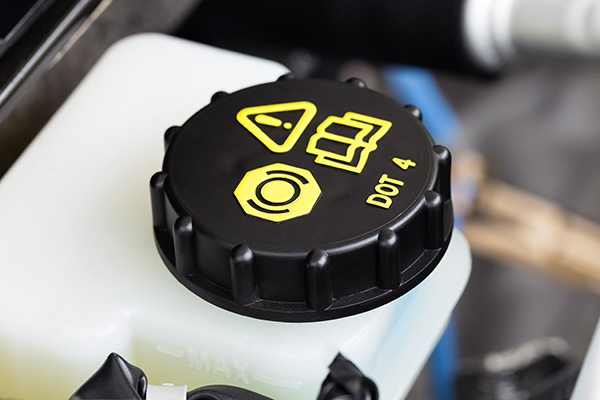
Brake fluid gets ignored because drivers cannot see it working. Pads make noise, rotors can vibrate, and tires show wear right in front of you. Brake fluid stays out of sight, so it is easy to assume it is fine as long as the car still stops. That assumption causes more trouble than people expect. Why Brake Fluid Does More Than Drivers Realize Brake fluid is what transfers force from your foot on the pedal to the braking system at the wheels. Without it, the brakes would not respond the way they should. It also has to keep doing that job under heat, pressure, and repeated stops in traffic, on hills, and during sudden braking. Once the fluid gets old, its ability to do that job cleanly starts slipping. The brake system can still work, but it may no longer feel as strong or consistent as it should. Why Old Brake Fluid Becomes A Problem Brake fluid naturally absorbs moisture over time. That is a big part of why it does not last forever. As moisture ... read more