A steering wheel shake at highway speeds can be stubborn because it may come and go depending on the road, the weather, and even how long you’ve been driving. It can start as a mild buzz, then turn into a wobble that makes you back off the throttle. The frustrating part is that several different issues can feel nearly identical from the driver’s seat.
The pattern behind the shake is usually the clue that matters most.
When The Shake Shows Up
If the shake starts around a specific speed range, then fades as you go faster or slower, that often points to a rotating imbalance somewhere. Pay attention to whether it’s steady or if it pulses like it’s coming in waves. Also, note whether it happens on smooth pavement or only on certain roads where grooves and bumps amplify it.
If the shake only happens while braking, the conversation changes. That leans more toward brake-related vibration, like rotor surface issues, rather than balance. If it happens only while accelerating, it can suggest a driveline angle issue or a worn mount that shifts under load.
Wheel Balance And Bent Rims
Wheel balance is one of the most common causes, and it does not always mean the tire shop did something wrong. A small imbalance can show up after a tire loses a wheel weight or after mud and debris pack into the wheel. We often see this right after winter driving or construction-zone miles, where wheels pick up extra grime.
A bent rim can create a similar shake, especially if the bend is small and only shows up when the wheel spins fast. You might not see it during a walkaround, but the steering wheel will feel it at highway speed. Even a slight bend can make balancing less effective because the wheel is no longer spinning true.
Tire Damage And Uneven Wear
Tires can be the problem even when they look fine. A pothole hit can bruise the tire internally, and that can lead to a bulge or a subtle out-of-round condition that only shows up at speed. Some tires also develop belt separation as they age, which can feel like a shake that balancing never fully fixes.
Uneven wear patterns can create the same kind of vibration. Cupping, feathering, or heavy wear on one edge can make the tire roll with a repeating hop. Staying on top of regular maintenance like pressure checks and rotations helps prevent those patterns from getting established in the first place.
Alignment And Suspension Play
Alignment issues do not always cause a shake on their own, but they can make a vibration feel worse and accelerate tire wear. If the steering wheel is off-center, or the car drifts and you’re constantly correcting, that extra correction can amplify any small tire issue. A vehicle that has seen curb taps or potholes can develop a slight angle change without any visible damage.
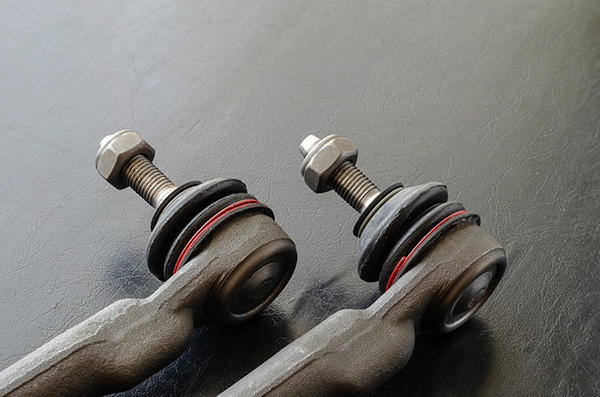
Looseness in steering and suspension parts can also turn a small vibration into a bigger shake. Worn tie rods, ball joints, or control arm bushings can allow the wheel to move slightly instead of staying planted. When that movement happens repeatedly at speed, it can feel like the steering wheel is wobbling in your hands.
Quick Checks Before Your Next Drive
A quick inspection can usually narrow the likely cause without replacing anything blindly. Start with the simple things that change the most often, then move toward the parts that wear over time. If the shake is severe, avoid high speeds until you know what you’re dealing with.
Here are a few safe checks that help point the right direction:
- Check tire pressures cold and compare side to side on the same axle
- Look for a missing wheel weight or fresh scrape marks on the inside of a wheel
- Run your hand over the tread to feel for cupping or feathering
- Look for a sidewall bubble or a tire that seems to sit unevenly
- Note whether the shake changes during braking, acceleration, or steady cruising
If you recently rotated tires and the shake moved from the steering wheel to the seat, that’s also useful information. Front-end shake often feels more like it’s in the wheel, while rear shake often feels like the whole car is vibrating. Those details help decide whether to focus on front tires, rear tires, or something in the steering and suspension.
Get Steering Wheel Shake Repair In Coppell, TX, With Bimmer Motor Specialists
Bimmer Motor Specialists in Coppell, TX, can track down whether the shake is coming from tires, wheels, alignment, or a worn front-end component, and then recommend the fix that makes sense. Our technicians will focus on the cause, so you are not paying for repeat balancing that does not solve the problem.
Schedule your visit and get back to highway driving with a steady wheel.