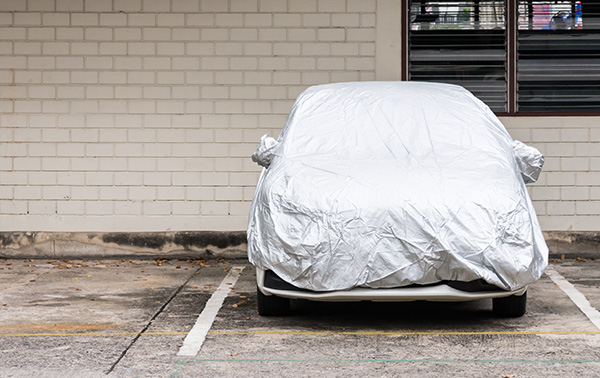
Parking a car for months at a time is harder on it than driving it regularly. Fluids age, batteries go flat, tires develop flat spots, and critters start looking at your engine bay as real estate. If you prep the vehicle properly before it sits, you can avoid a lot of headaches, leaks, and no-start problems when it is time to bring it back to life.
What Counts as Long-Term Storage?
Most cars handle a couple of weeks of sitting with almost no preparation. Once you get into several months, or a season or more, you are in long-term territory. At that point, the battery will likely discharge on its own, fuel can start to degrade, and tires sit in one spot long enough to take a set.
How you store the car also matters. A clean, dry garage is ideal, but many vehicles have to sit in driveways or storage lots. The longer the car will be parked and the harsher the environment, the more important it is to address the basics before you lock the doors and walk away.
Fluids and Oil Before You Park It
Old, contaminated fluids sitting in one place for months can cause corrosion inside the engine and cooling system. If you are close to your next oil change, it is smart to do it before storage so the engine rests with fresh oil instead of used oil full of acids and moisture. Coolant should be in good shape and at the proper mixture so internal passages stay protected.
Brake fluid that has absorbed moisture over the years can encourage rust in lines and calipers when the car is not being driven. If it has been a long time since a brake fluid service, that is worth considering before storage. We also like to check for small leaks at hoses and gaskets, because slow seepage you barely notice when driving can leave bigger puddles after several months of sitting.
Battery and Electrical System Protection
Batteries discharge even when the car is off, thanks to security systems, modules, and memory circuits. Over a few months, that can drain the battery low enough to weaken it permanently. You have a few options, depending on where the car will sit:
Use a quality battery maintainer or trickle charger if you have safe access to power
Disconnect the negative battery cable to reduce draw if a maintainer is not possible
Avoid cheap chargers that overcharge and cook the battery while it sits
We have seen perfectly good batteries ruined just by sitting discharged for too long. Taking a few minutes to set up a maintainer or disconnect the cable can save you from needing a new battery when you are ready to drive again.
Tires, Brakes, and Suspension While It Sits
When a car sits in one spot for months, all the weight rests on one contact patch of each tire. Over time, that can create flat spots that cause vibrations when you finally drive. If possible, inflate the tires toward the upper end of their recommended pressure before storage. For very long periods, some owners choose to put the car on quality jack stands, but that needs to be done correctly at the proper lift points to avoid damage.
Leaving the parking brake set for months can make the rear brakes seize or the shoes stick to the drums. If the car is on a level surface and you can use wheel chocks instead, that is usually kinder to the brake hardware. A quick visual check of suspension components before storage also helps, so you are not surprised by a leaking strut or broken spring later.
Fuel System and Engine Protection
Fuel does not age well when it just sits. Over time, gasoline can oxidize and form varnish, especially in hot or humid conditions. For long-term storage, it is usually best to fill the tank with fresh fuel and add a quality fuel stabilizer, then run the engine long enough for that treated fuel to reach the injectors and lines.
Running the engine briefly every few weeks without fully warming it is not helpful. That tends to create more moisture in the exhaust and crankcase. If you are not going to drive the car for at least 20–30 minutes to full operating temperature, it is often better to leave it shut off and properly stored rather than starting it repeatedly.
Interior, Exterior, and Rodent Prevention
The inside and outside of the car need care too. Dirt and road salt left on the paint and underbody will keep attacking the finish while the car sits, so a thorough wash, including the wheel wells, is a good idea. A coat of wax adds another layer of protection. Inside, removing trash, vacuuming, and avoiding food left in the cabin help deter pests and unwanted smells.
Rodents can be a real problem in stored vehicles. They like to nest in engine bays, air boxes, and under trim panels. Simple steps like sealing off obvious entry points in a garage, avoiding open food, and occasionally checking under the hood can make a big difference. Some owners also use rodent deterrents around, but not directly on the car, to discourage chewing on wiring.
First Start-Up After Long-Term Storage
When it is time to bring the car back, treat the first start with a bit of patience. Before you turn the key, it helps to:
On the first start, let the engine idle and come up to temperature while you listen for unusual noises and watch for warning lights. The first short drive should be gentle, with a few careful brake tests and a feel for any vibrations or pulling. If anything feels off, having it inspected early is much better than pushing it hard and hoping for the best.
Get Long-Term Storage Prep in Coppell, TX, with Bimmer Motor Specialists
We can go over your vehicle before you park it, taking care of fluids, battery protection, and basic checks so it is ready to sit without hurting itself. When you are ready to drive it again, we can inspect and service it so the first trip back on the road is smooth and trouble-free.
Call Bimmer Motor Specialists in Coppell, TX, to schedule long-term storage preparation or a post-storage inspection for your vehicle.